
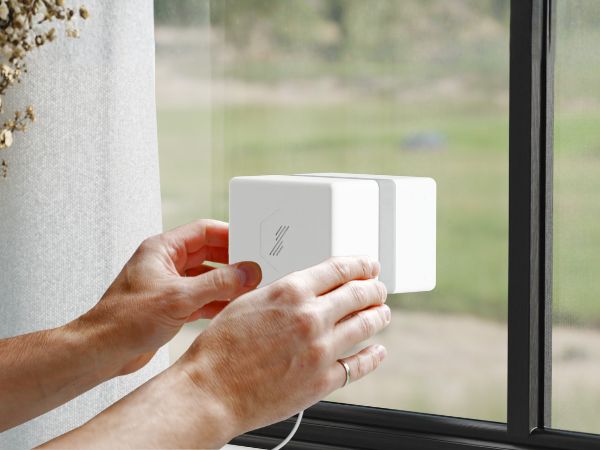
Wireless Power:
Enabling Self-Installable Outdoor CPE for the Next Wave of 5G FWA
The success and challenges of FWA
Since the first commercial deployments back in 2019, 5G Fixed Wireless Access (FWA) has seen tremendous uptake and continuous growth, surprising both advocates and sceptics. According to Ericsson’s Fixed Wireless Access Outlook¹, there were 58 million 5G FWA subscribers globally in 2025, accounting for 28% of mobile traffic, and it is estimated to grow to nearly 300 million (36% of mobile traffic) by 2031.
However, in recent years, 5G FWA has in many markets become a victim of its own success. All those "fixed" 5G FWA users consume more bandwidth than the mobile network was originally dimensioned for, and in various hot spots no more network capacity is available, so operators need to turn down service requests.
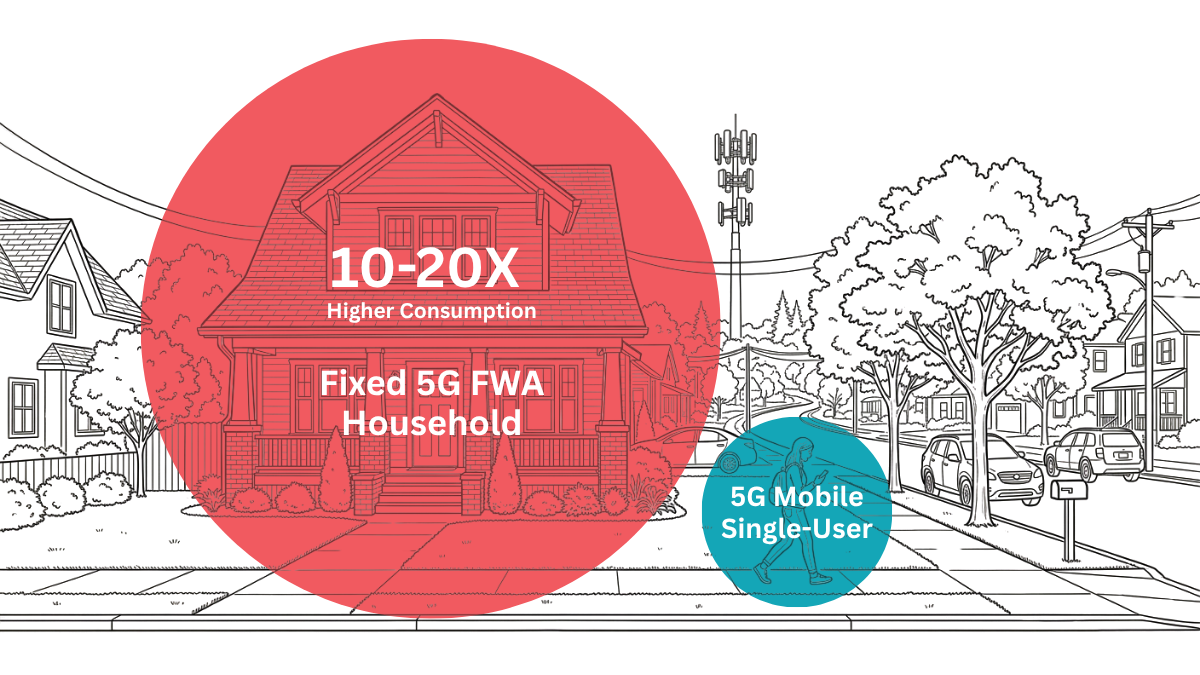
FWA vs Single User Capacity Usage
What is driving this capacity exhaustion?
First, it's the very different traffic profile of a "fixed" 5G FWA user versus a mobile user. A single 5G FWA subscription aggregates the traffic of an entire household that may include video streaming to multiple large screens, resulting in 10–20x higher consumption than a single-user, single-screen mobile subscription.
A second key reason is that the mainstream 5G FWA deployment model uses indoor 5G gateways, integrating a 5G modem and a Wi-Fi gateway. There have been good reasons for this: it provides very competitive deployment agility. Interested customers order the service online, get a 5G gateway delivered within one or two days, and only need to power up the gateway to enjoy the service. This is far beyond what fibre or cable technologies can typically offer and is beneficial to both the end user (responsiveness to a service request) and the operator (accelerated deployment).
At the same time, this has become 5G FWA's Achilles heel, as indoor radio conditions are in many cases far from ideal due either to poor positioning of the 5G FWA gateway (e.g. deep indoors or even in a cabinet), high "first wall attenuation," or both. The latter represents the attenuation experienced by the radio signal as it propagates from outside the building through the "first wall" into the building.*
The combination of first wall attenuation and poor indoor placement has a major impact on 5G FWA network capacity, end-user throughput, and service coverage.
*The term is a bit misleading, as windows also play a significant role in indoor penetration, in particular, low-e windows can represent a significant attenuation, up to 30 dB for the midbands (~2-4 GHz).
Tackling the 5G FWA growth challenges
Given the success of 5G FWA and the associated network congestion, mobile network capacity will need to expand to support further 5G FWA growth.
One direct approach is to densify the network (building more base stations and reducing cell sizes) and/or acquire more spectrum (mid-band or adding mmWave). But these are costly and take time.
As an example, the installed cost of a base station is in the range of €20–€40k/cell. For 100 FWA subscribers per cell¹, that translates into €200–€400 per subscriber, as illustrated in Figure 1.
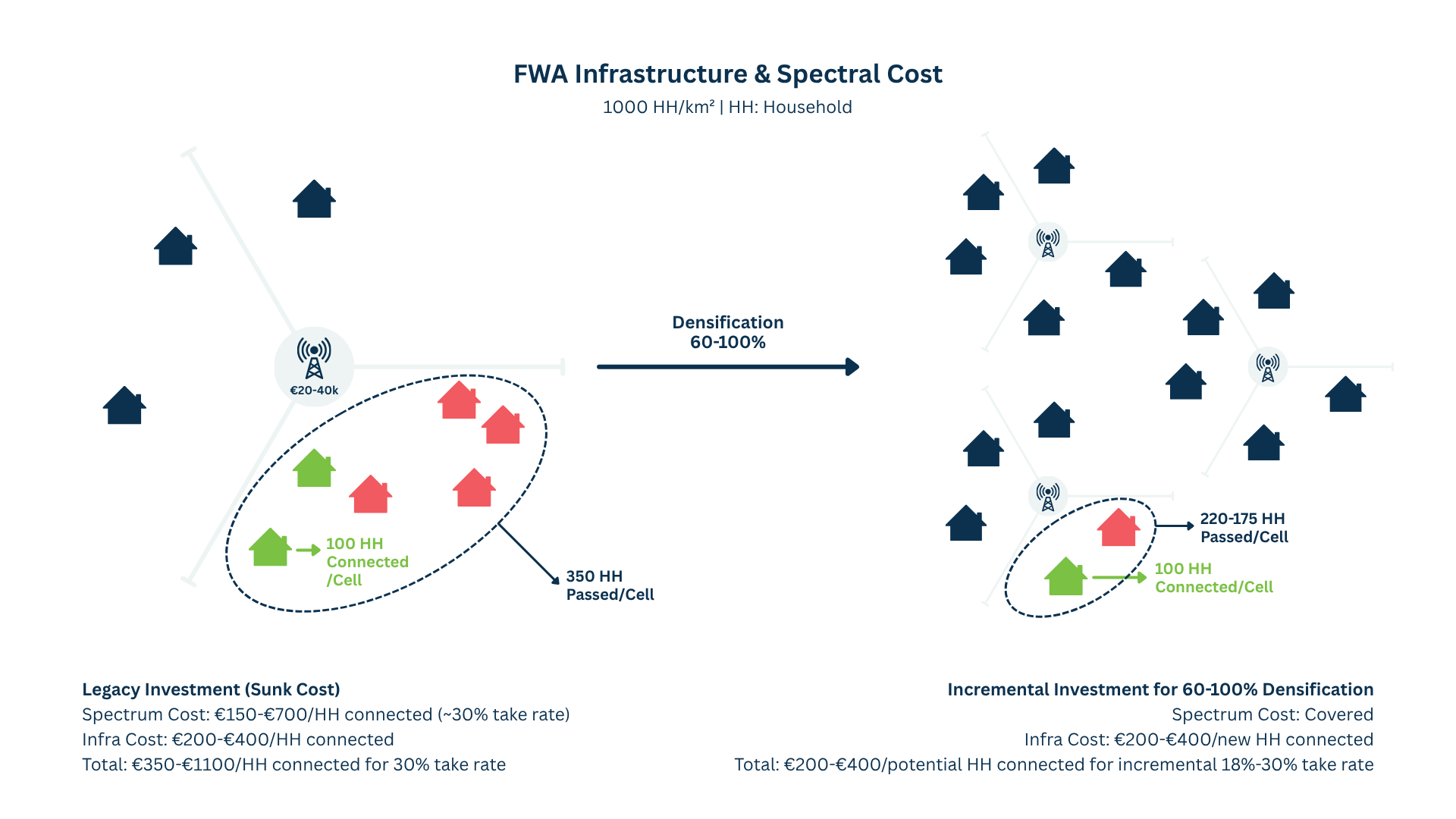
Figure 1: Schematic FWA Infrastructure & Spectral Cost
The left part illustrates the legacy investment that can serve a ~30% service take rate in a typical suburban environment with 100MHz of midband spectrum assigned to FWA service, while the right part illustrates the incremental investment needed for densification. The incremental cost per household (HH) connected is similar to that of the legacy investment, since cell capacity is unchanged at 100 users/cell — assuming the full incremental capacity can be used/commercialized.
Similarly, the average cost of mid-band spectrum is around €20–€80 per pop for 100 MHz, which translates into €150–€700 per connected household (2.5 pop/household) for a 30% service take rate. This brings it to a total investment cost of €350–€1,100 per subscriber across infrastructure and spectrum cost for the legacy network. For the densification, an incremental upfront investment of €200–€400/ new HH connected would be required (the spectrum cost is already paid for).
A more efficient approach is to improve spectral efficiency using existing spectrum assets and mobile network infrastructure, drawing on the various radio technologies the mobile telecom industry has developed to support such growth.²

Moving the 20% of connections with the weakest radio signals from indoor to outdoor CPE increased the average number of connections supported per cell by approximately 60%.
— Ericsson, Realizing the 5G FWA Growth Opportunity³
Moving CPE outside the home
A very efficient and powerful method is to avoid first wall attenuation altogether by moving from an indoor CPE deployment to an outdoor one.
Holma reports a 62% improvement in network capacity when CPE is moved from indoors to outdoors, resulting in a 15 dB improvement in the link budget.² Similarly, Ericsson’s Realizing the 5G FWA Growth Opportunity reports that moving 20% of poorly connected indoor CPE outdoors can increase overall network capacity by 60%.³
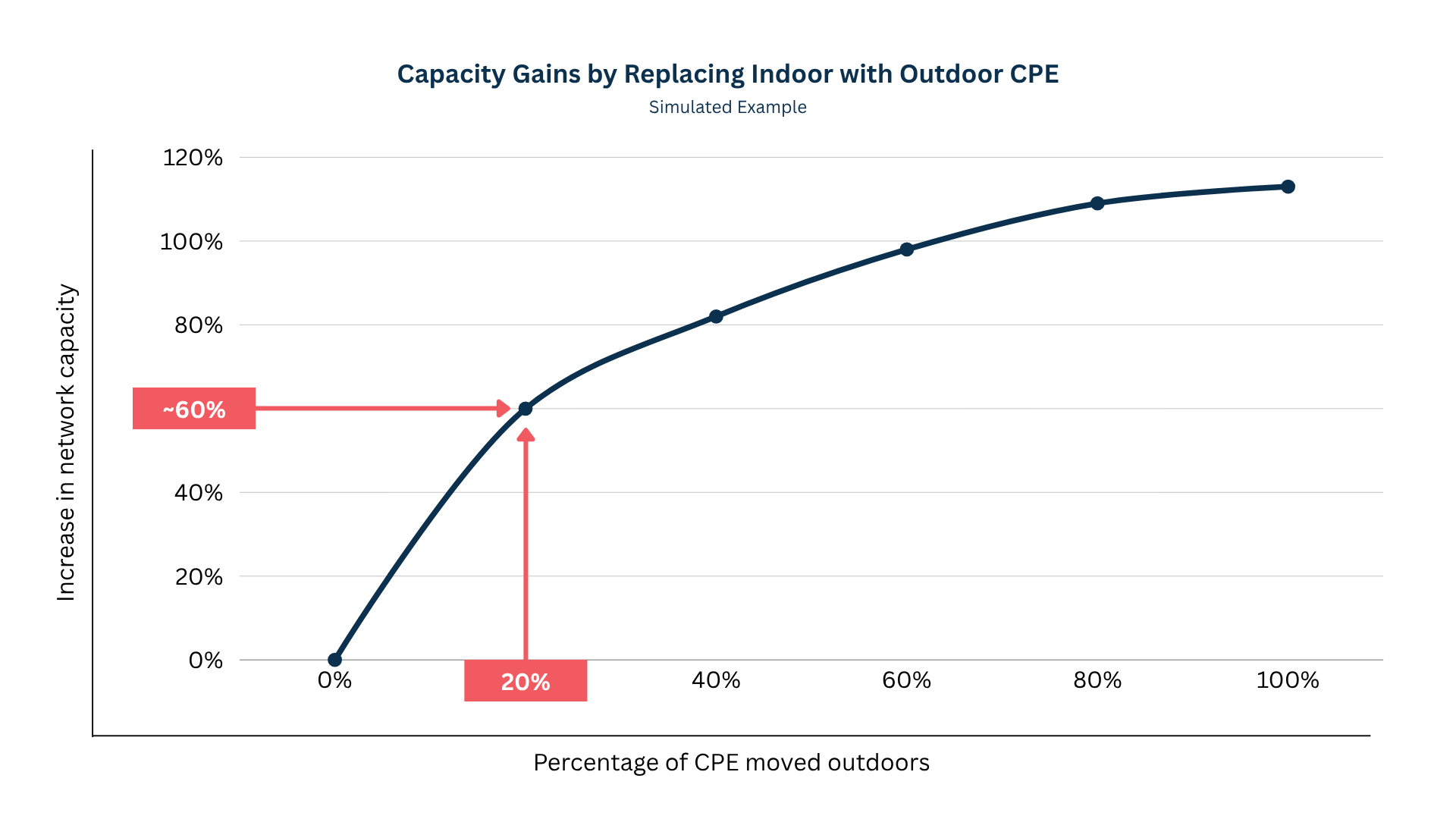
Figure 2: Capacity Gains by Replacing Indoor with Outdoor CPE
Beyond the incremental network capacity, going outdoors significantly increases coverage and provides improved end-user throughputs.
A 60% increase in network capacity is highly significant, both in terms of avoided investments (spectrum or network densification) and in terms of growth opportunity. Furthermore, when moving to mmWave, outdoor CPE is required in most cases.
Solace Power has conducted a small-scale trial (20 homes in Belgium/Canada) in 2024 comparing indoor and outdoor 5G FWA performance. It showed similar improvements for outdoor placement, as illustrated in Figure 3.
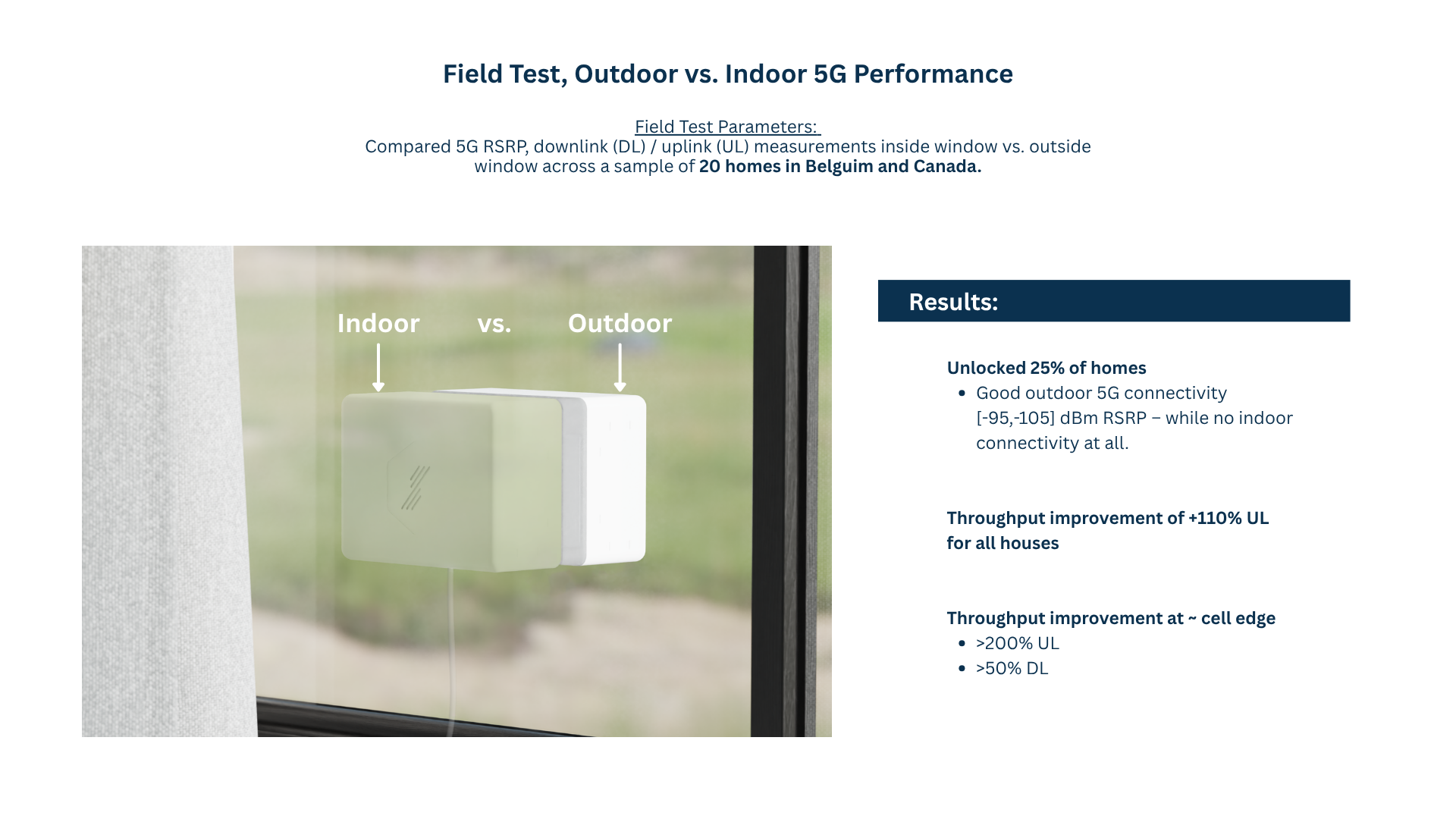
Figure 3: Field Test, Outdoor vs. Indoor 5G Performance
This trial also illustrates that, beyond the incremental network capacity, going outdoors significantly increases coverage and provides improved end-user throughputs.
This raises the question:
Why have operators not yet deployed outdoor FWA CPE at scale, given all the above benefits?
The fundamental barrier is the need for professional installation, which undermines FWA's unique agile deployment model. It can take several weeks to connect a customer and add several hundred euros in installation cost. Moreover, it requires undesirable, and in some MDUs even prohibited, drilling through walls.
What if a technology could enable outdoor FWA without the burden of professional installation, while preserving the deployment agility that has been central to 5G FWA's success?
The quest for self-installable outdoor FWA
Figure 4 shows the architecture of a fully self-installable outdoor solution that avoids any difficult wiring or drilling through walls.
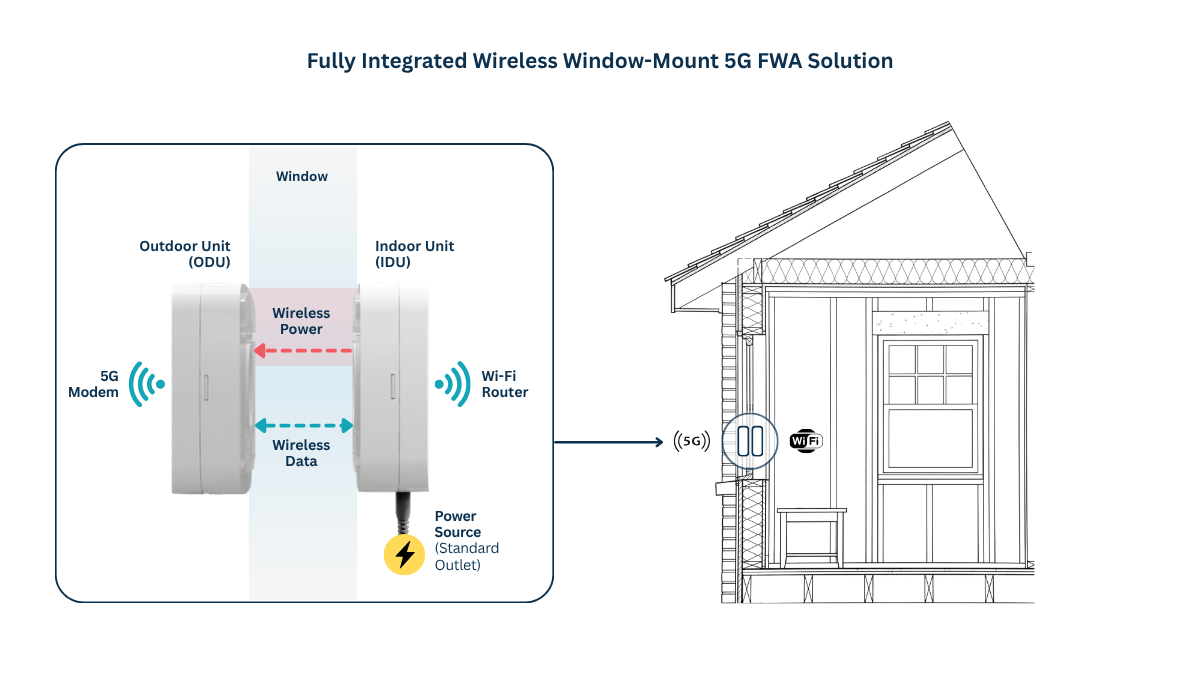
Figure 4: Fully Integrated Wireless Window-Mount 5G FWA Solution
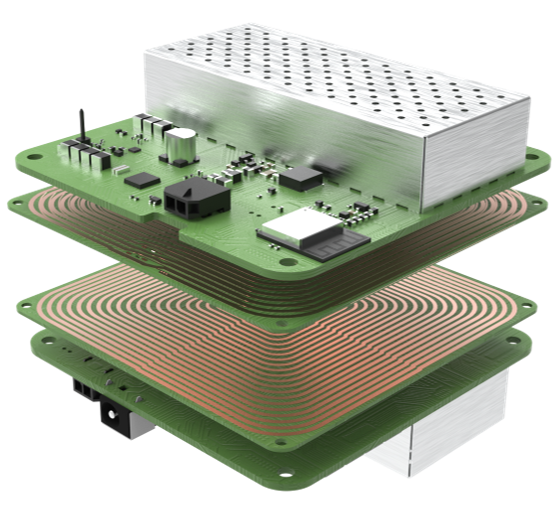
Figure 5: Solace's Nova30 Wireless Power Module
The key enabler for this architecture is wireless inductive power transfer through windows, developed by Solace Power...
The solution consists of an outdoor unit (ODU), mounted on the outside of the window, containing the 5G modem, and an indoor unit (IDU), mounted on the inside of the window, containing a Wi-Fi gateway. There are no wires between the IDU and ODU, which means the solution can mount on most types of windows. Mounting these units is straightforward and reliable using proven "Gecko" tape that provides excellent adhesion under all weather conditions.
The key enabler for this architecture is wireless inductive power transfer through windows, developed by Solace Power:
The IDU contains a wireless power transmitter with an associated coil, and the ODU contains a matching wireless power receiver (see Figure 5). The technology can deliver at least 20 W of power through the vast majority of windows, including dual-pane, metal-coated windows (sufficient to power typical Sub-6 5G modems) and is highly resilient to misalignment between the IDU and ODU, making it ideal for self-installation.
Such a solution enables true self-installation of outdoor 5G FWA: installing the CPE becomes as simple as attaching a unit to the outside of a window, matching it with a unit on the inside, and connecting power.
Beyond self-installation, this wireless power-and-data-through-glass technology can also simplify professional installations by eliminating the need to drill through walls, as illustrated in Figure 6. Here, a wired outdoor 5G FWA receiver is used in combination with a legacy Wi-Fi home gateway, with the indoor and outdoor segments connected through a wireless Ethernet/PoE-through-glass solution.
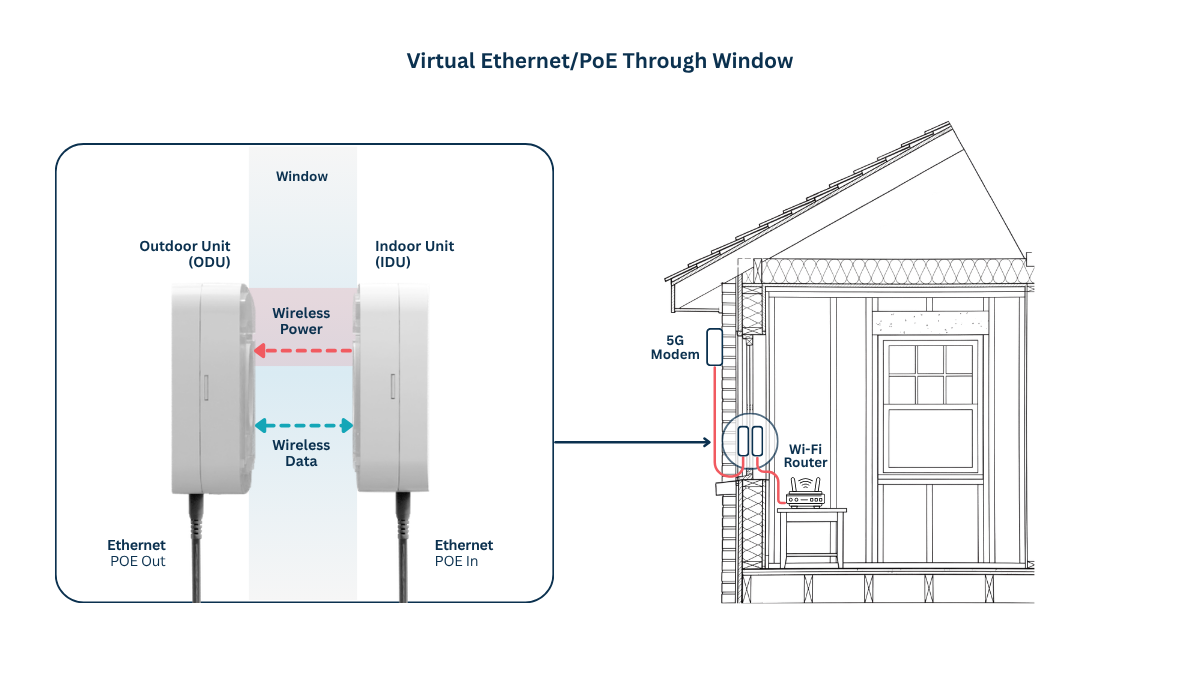
Figure 6: Virtual Ethernet/PoE Through Window
This greatly simplifies professional installation and may even avoid the need for installation crews to enter the home: once the outdoor portion of the installation is complete, the end user can simply match the ODU on the window with an IDU to finish the job.
With the self-installable outdoor solution, 60–100% more users can be connected to the same network.
The economic benefits
The outdoor-versus-indoor FWA analysis in Section 2 clearly indicates that a self-installable outdoor FWA solution can deliver substantial benefits for operators and end users alike, including a 60–100% increase in network capacity, improved coverage, and higher end-user throughput.
This improved network capacity also has a direct impact on cost per user, since network and spectrum cost is now shared over more subscribers. Recall from Section 2 the initial network and spectrum cost of €350–€1,100 per subscriber for an indoor 5G FWA deployment. With the self-installable outdoor solution, 60–100% more users can be connected to the same network. This translates into an average €130–€550 network and spectrum cost saving across all subscribers, without the lead time and risk of upfront network and spectrum investment.
This is, of course, an order-of-magnitude calculation, but it clearly illustrates the value at stake: the savings could offset professional installation costs, particularly given the simplified installation process that wireless power-and-data-through-window solutions enable.
Conclusion
5G FWA deployments have been highly successful, and growth is expected to continue for many years, making 5G FWA a strong contender against cable and fibre technologies. The advent of wireless power-through-glass technology can help fuel this growth by enabling a self-installable outdoor 5G FWA CPE deployment model — one that creates incremental network capacity, improved coverage, and higher end-user throughput, without major investment in network infrastructure.
By removing one of the last barriers to large-scale outdoor CPE deployment, wireless-powered outdoor CPE can play a pivotal role in the next phase of 5G FWA expansion, helping turn the industry forecast of 300 million 5G FWA subscribers by 2031 into reality.
References
1 - Ericsson. (n.d.). FWA Outlook. Retrieved from https://www.ericsson.com/en/reports-and-papers/mobility-report/dataforecasts/fwa-outlook
2 - Holma, M. J. (n.d.). 5G Fixed Wireless Access. 2023 Fall Technical Forum, SCTE-CableLabs', NCTA.
3 - Ericsson. (n.d.). Realizing the 5G FWA growth opportunity. https://www.ericsson.com/en/reports-and-papers/mobility-report/articles/realizing-the-5g-fwa-growth-opportunity
Expo, F. N.-B. (n.d.). Retrieved from (news from Sept. 2024: The 1 million people on T-Mobile's fixed wireless waiting list will get a little help from fiber)
Hardesty, L. (2024, September 19). Retrieved from Fierce Network: https://www.fierce-network.com/broadband/fiber-will-help-1-million-people-t-mobiles-fixed-wireless-waiting-list
About the author

Willem Verbiest
Willem Verbiest brings over 40 years of telecommunications experience, including a distinguished career at Nokia where he pioneered ADSL and led innovations in 5G Fixed Wireless Access. A Bell Labs Fellow, he helped develop several industry-first 5G FWA products, including CPE, window mounts, and high-gain mmWave solutions.
Today, Willem serves as Technology Strategist at Solace Power, advancing FWA CPE architectures that combine the self-installation benefits of indoor CPE with the performance of outdoor CPE.